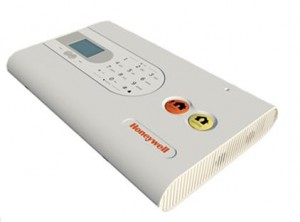
Post image for 4 Steps to Setting up Burglar Alarms

When it comes to purchasing one of the numerous burglar alarms that are currently available on the market today, there are a few guidelines that you want to consider before making your final decision.  Naturally, the purpose of purchasing one of these alarms is to deter any burglar from breaking into your home whether you are on the premises or not.  The purchase of burglar alarms revolves around basic planning and strategy so that you are ensured of your family and home being protected 24/7/365.

1) Identify what you consider as valuable possessions – you should look inside and outside when determining those possessions that you do not want to lose.  This process helps you select the appropriate system out of the myriad of choices available on the market today.  Consider your automobiles, jewelry, paintings, or anything that you have stored in a safe or vault.

2) Get familiar with the different types of burglar alarms – typically, it will either be a hard-wired or wireless system.  Additionally, they can be very basic systems or they can be extremely sophisticated.  Check out land-based or online retailers to get a feel for the types of systems that are available and brush up on your technical knowledge so you know what is being discussed.  Make sure that the systems you are checking out will facilitate your home security needs.

3) Make a list of companies and get estimates – once you have done all of your research and gained some basic knowledge, start to compile a list of different burglar alarms that you feel will facilitate your home security needs.  Start getting estimates and remember that price should never be your first consideration.  Remember that cheap is not what you want, but you do not have to spend a fortune on a system either.  There are a number of companies that now include the price of installation in the purchase so you might want to include that consideration in your decision.

4) Get all the technical assistance you can – it never hurts to know what you are dealing with and most burglar alarms technicians are well-versed at how the different systems operate as well as being able to bring you up to speed where the operation of any of these alarms is concerned.  Just keep in mind that these people are there to work for you and the money you are spending will not be wasted.

Photo via Armor 100 Wireless Security System

{ 0 comments }

Post image for The Reasons Why A Burglar Hates Wireless Burglar Alarms

Undermining the illegal activities of a burglar using burglar alarms has been a common practice in recent years.  These alarms are by far the best way to deter an intruder and are something that they hate to encounter when trying to burglarize a home.  For the sake of avoiding burglar alarms and being caught in the act, intruders today are getting pretty creative in their techniques.  If they discover that you have a hard-wired system, it is pretty easy for them to disable them by simply cutting a few electrical wires.

However, if you have installed one of the wireless burglar alarms that are currently available on the market today, a burglar will have a difficult time trying to dodge these alarms.  Wireless systems came about due to the creativity exhibited by these criminals when they were out performing their “dirty deeds” and have grown steadily in popularity over the hard-wired systems.  Here are some of the reasons why burglars today hate these wireless systems.

Wireless burglar alarms are less conspicuous and oftentimes go unnoticed by intruders.

They are much easier to install than hard-wired systems and if a burglar is scoping out your neighborhood and sees you installing one of those types of alarms, he’ll know what to do in order to break into your home.

One of the reasons that many individuals are turning to wireless systems over the standard hard-wired systems is the cost factor.  They are relatively inexpensive and even a DIY’er with minimal experience can install these systems.  It follows that the installation is inexpensive as well since you might be able to do this yourself.

Wireless burglar alarms typically feature some type of automatic dialing component.  The system is capable of handling multiple contact numbers so that both you and the proper authorities can be contacted if your home is being burglarized.

Since there are no wires to cut, the burglar cannot disconnect your alarms by cutting any wires like they can with hard-wired burglar alarms.  And this is most likely the primary reason that they hate wireless systems.

Most importantly, your system can be linked with a monitoring service that watches over your home 24 hours a day, whether you are home or not.  There is a greater chance that a burglar will be caught in the act should they break into your home and are not aware of the fact that the alarms have been triggered.  The authorities can be alerted to their presence in your home without their knowledge of it.

Photo via Snakes and Ladders

{ 0 comments }

Post image for A Guide For Troubleshooting Your Burglar Alarms

Homeowners today have become more security conscious than in past years and have installed burglar alarms in the residences to protect their families and their belongings.  When a burglar does not suspect that a home is protected with these different alarms, there is a greater chance that the perpetrator will be scared off once they are triggered and/or, if they are linked to a monitoring service, the proper authorities will be notified.

These systems need to be tested on a regular basis, therefore troubleshooting is critical because if you’re system is not operating in proper fashion, and you are unaware of any malfunction, you’re not really protected at all.  A key reason for troubleshooting your burglar alarms is that there are numerous false alarms that occur when a system is not working in proper fashion.

The following is a list of suggestions and tips for the best ways to troubleshoot your burglar alarms in order to ensure that you, your family, and property are protected:

Check the battery back-up – if the siren does not sound off when you test your system there is a good possibility that the battery may have run its course and you need to replace it.  Depending on the system and the battery, it is recommended that you change them every two years, whether they are working or not.

Examine your control panel – along with the battery back-up, the control panel and keyboard are the most critical components of burglar alarms.  You want to make sure that the connection to the power source is functioning properly and has not been interrupted.

Check all the sensors in the system – if you are constantly triggering false burglar alarms, chances are one or some of the sensors are no longer working properly.  Additionally, if you can adjust the sensitivity of these sensors, you should probably do that as the slightest movement can trigger a false alarm.

Make sure the alarm siren works – if the siren doesn’t sound off when you trigger it to, you’ll want to make sure that the power source connection is in tact.  If the connection appears to be fine, then you probably need to replace the siren.

When all else fails, call a professional – if you are running into difficulties when troubleshooting your burglar alarms, your best option is to contact a professional to address the issue so that you know the situation will be properly corrected.

Photo via cesarastudillo

{ 0 comments }

Post image for Are Burglar Alarms Really As Efficient As What Advertisements Portray?

A person’s home is one of the largest and most valuable single investments they will ever make in their lives.  So it is imperative that you take what ever measures you need to keep it safe and secure.  One of the best ways to do this is by installing burglar alarms to protect your family and home from the activities of a burglar.  These alarms have been found to be extremely effective where decreasing the number of these types of crimes is concerned.  But many people still want to know if burglar alarms are as efficient as what companies advertise them to be.

Burglar alarms today are much more cost-effective than ever and many people have opted for installing them as a home security measure.  They are a great security method to utilize for keeping criminals such as home intruders at bay as well as protecting your family, your home, and your possessions.  As far as their efficiency goes, it just depends on the type of system you purchase and install in your home.  As a precaution, you should never be price conscious about these systems because the cheaper they are, the less effective they are.

Another reason that burglar alarms are so efficient is because of the fact that these systems are capable of integrating other components such as flood and smoke detectors.  So they serve more than one purpose, depending on how sophisticated of a system that you install.  The more state-of-the-art systems are typically computer-based and are capable of incorporating up to 32 zones in the home by using advanced technological multiple zone configurations.  Wireless systems are more efficient than hard-wired systems as well because they are portable.

In other words, if you move, you can take your wireless burglar alarms with you and install them in your new location.  The fact that the more modern and updated systems can be attached to a monitoring company makes them even more effective and efficient.  You’ll have the peace of mind knowing that your family and home are protected whether you are home or out for the evening as well as when you are out of town on vacation.

Finally, and this is one of the biggest considerations, the key benefit to having a system installed is that it will save you money on your homeowner’s insurance premium because your rates will be discounted when you have burglar alarms installed.  So this makes them cost-effective as well as efficient.

Photo via AlarmForce Home Security

{ 0 comments }

Post image for Problems with Cheap Burglar Alarms

Burglar alarms are more popular now than ever before.  It stands to reason since the crime rate in certain areas rarely declines.  Plus, the economy is very unstable and the once passive burglar has become more aggressive and considerably more brazen, even when alarms are installed and operating properly.  Despite the fact that this is all common sense, many individuals still insist on pinching their pennies and purchase cheap burglar alarms instead of investing in a quality system.

As a result, there are a number of problems that may be encountered whenever wasting your money on a cheap system.  Remember the primary goal is the protection of your family and home, so be aware that the following issues may arise with installing cheap burglar alarms.

More vulnerability – cheap systems breed a false sense of security.  The burglar today knows the difference between a quality system versus cheap alarms, which will not deter them at all from completing their mission.  We have even heard of cases where the intruder triggered the system several times, making the homeowner think that their burglar alarms were malfunctioning and turned them off.

Delayed response times – although this isn’t always a problem of the cheap system, it is still a consideration.  The cheaper alarm companies or monitoring services won’t always contact the PD until they know that a burglar has really triggered the alarms.

False alarms – this is probably the main reason you should avoid purchasing cheap burglar alarms.  The cheaper systems do not have pet-sensitive functions or ones that work well.  If your pet wanders around the home at night when you are sleeping, they can easily trigger false alarms.  When enough of these occur, this also inhibits the response time mentioned above.

Malfunctions and poor operation – another one of the key reasons to avoid buying cheap burglar alarms is that they just don’t operate as effectively as a better quality system and numerous malfunctions are not uncommon.

Difficulty with maintenance and repairs – in some cases, the maintenance or repair of security systems is not for the average DIY’er and you should rely on a professional technician’s expertise.  In many cases, where cheap burglar alarms are in place, repair and service technicians will not work on them if you didn’t purchase the system from their company or once they realize that you ordered a substandard quality product over the internet or from a discount retailer.

Photo via coltera

{ 0 comments }

Post image for How To Test Your Burglar Alarms

We are well aware of the fact that burglar alarms are an ideal way to protect your family, your home, and your possessions.  Nothing is scarier than a burglar entering your home and stealing your possessions or possibly causing harm to you and your family.  These alarms are the best way to hopefully prevent this from happening.  However, burglar alarms won’t keep you safe if you don’t make sure that they are operating properly and test your system on a regular basis.  Here are some suggestions for testing yours.

Read your instruction manual – not only does it teach you how to operate the system, it will instruct you how to test your burglar alarms as well.  Not fully understanding how the system functions is the primary cause of false alarms.

Understand how to disarm your system – keep your disarming codes and/or your security key close by and make sure everyone in the home knows it.

Call your service company if in doubt – when all else fails, your service provider will always take the time to walk you through the entire testing process.  They can also see if any parts of your burglar alarms are malfunctioning.

Inform everyone who is at home that you are testing the system – a prior warning is just considerate and common sense.

Close and lock the doors and windows – the doors and windows that are protected by the system need to be secured first.  Just pretend that you are leaving the house and secure things as you normally would.

Begin the test operation – once you have completed the above steps, activate the test mode by punching in the proper codes.

Each sensor needs to be tested – some of the better burglar alarms will tell you which of the sensors to test.  However, you still want to walk around the home and trip every sensor of the system individually.  Make sure that you hear the alarms as you trip each of the sensors.

If you have smoke detectors, you need to test them as well – press the test button on your smoke detectors to ensure that it sounds off.  If you have heat sensors, warm your hands up for about 30 seconds and then touch the sensor to see if it responds.

Finish the test and re-arm your burglar alarms – de-activate the test mode first and then re-arm your system once the test shows your system is operating properly.

Photo via a100tim

{ 0 comments }

Post image for Burglar Alarms and Their Origins

Throughout the world today, burglar alarms have become quite common in many homes.  The state of the economy combined with a rising crime rate in larger cities and metropolitan areas has increased the odds of being victimized by a burglar.  So it is easy to understand the need for installing these alarms in order to protect one’s family and home.  Advances in the technology of the better burglar alarms have also enabled the integration of other components such as flood and fire alarms.

Earlier burglar alarms

Originally, burglar alarms were not home security systems as we know them today.  Before these systems were invented, homeowners used other methods or techniques to alert them of a burglar being in the home, such as using dogs or even livestock as their warning system.  In other cases, the homeowner would place things in front of their doors that would make a noise should an intruder enter the home.

Bell burglar alarms

The first acceptable burglar alarms were invented by a British inventor named Tildesley who linked bells in a certain configuration so that they would make a noise if an intruder tripped them.  This would alert anyone who was sleeping and wake them up so that they knew that a burglar had entered their home.

Electric burglar alarms

The first electric burglar alarms were invented in the early 1850’s by a gentleman named Edwin Holmes.  Holmes actually improved upon the technology that was originally developed by Augustus Pope by obtaining his patent rights and expanding on Pope’s invention.  Holmes added a bell to Pope’s system in order to alert the owner of the home whenever a burglar opened a door or window to the home.  In the beginning, the majority of Holmes’ income came from selling his alarms to the wealthier residents of New York City.

Present day systems – over the past 160 years, burglar alarms have evolved into the sophisticated systems that we know and use today.  Advancements and innovations in technology have enabled the incorporation of other components such as fire, flood, and smoke detectors.  Additionally, these systems can be monitored by outside companies who watch over your home 24 hours a day and inform the authorities of any criminal activity that is occurring in your home whether or not you are there.

Interestingly enough, the potential for further improvements to these systems will depend on how sophisticated criminals get in the methods they use and the advancements that will be necessary to adjust to them.

Photo via O B McClintock burglar vault alarm

{ 0 comments }

Post image for The Most Common Causes of False Burglar Alarms

One of the aspects of burglar alarms and their operation that you need to be aware of is avoiding false alarms when operating them.  Obviously, the purpose of them is to deter a burglar from breaking into your home and hopefully being able to alert the police in the process.  Interestingly enough, 80% of the false burglar alarms are caused by only 20% of the people that have them according to statistics presented by the False Alarm Reduction Association.

Suffice it to say, false burglar alarms are preventable.  They are very problematic in the fact that they prevent emergency response personnel from responding to what is a genuine emergency.  The most common causes of false alarms are broken down into 3 categories – installation and service problems, alarm system failure, and user errors.

Installation and service problems – needless to say, proper installation and set-up is critical.  If a homeowner is suspicious that their burglar alarms are not operating properly, they should notify their security system company that was responsible for the installation of it.  Preventative maintenance is a must and will oftentimes help you to avoid any false alarms so that if a burglar tries to break into your home, the property authorities are alerted accurately.

Alarm system failure – as a homeowner, one of your primary responsibilities is to inspect your system on a regular basis.  You want to make sure that the magnets or switches on your doors and windows are functioning properly so that a false alarm isn’t triggered.  It is recommended that you test your system no less than once monthly and don’t forget to check your battery back-up system as well.  As the old saying goes, “it’s better to be safe than sorry.”

User error – as was mentioned above, 80% of all the false alarms are committed by only 20% of these burglar alarms end users and a key point here is that user error is a big part of those statistics.  One of the first things you need to do once the system has been installed and is fully operational is to thoroughly educate everyone in the home who is going to be using it.  User error can also involve moving objects that falsely trigger the alarm such as balloons or curtains hung in drafty areas of the home.  You also want to make sure that sensors are placed in unobstructed areas.

Photo via mv4

{ 0 comments }

Post image for Registering Your Burglar Alarms with the Local PD

Burglar alarms are ideal security measures to employ in order to protect your family, home, and your possessions.  It offers an additional way to defend your home from a burglar because these alarms can oftentimes alert law enforcement at the time the perpetrator breaks in or while the person is inside.  In order to decrease the number of false burglar alarms, many homeowners now register their security systems with their local police departments.

In some cases, your police department will mail you a form to fill out in order to register your system with them.  You’ll want to include specific information such as the name of the company you purchased your burglar alarms from or the company that is monitoring your system.  When you return the completed form to the police department, you may have to pay a filing fee which normally averages $25.

Once you have registered your system with the PD, you’re going to want to inform your security company of the permit number that the police assigned to you.  Make sure that you give them a photocopy of the permit and keep the original.  The company that installed your burglar alarms or the monitoring company will confirm receipt of it.

You can also register for what is called ECV or Emergency Call Verification if your police department offers it.  Typically, the monitoring company will call you to verify that the alarms are true and that you do have a burglar in your home.  If you don’t answer the phone, they are going to assume that you are in the midst of an emergency situation or not home and notify your local PD.  When the police are involved first hand with ECV measures, an officer will usually contact you at one of the numbers you have provided them with in order to determine if their assistance is necessary.

Finally, you want to make sure that you update your burglar alarm’s registration as regularly as possible.  Some police departments require an annual registration while others require it once every 2 years.  Be sure to find this out when initially registering the system with them.  Other times to update your registration are:

  • any time emergency contact numbers are changed or expire anytime you make downgrades and upgrades to your burglar alarms or if there are any additions to the system and re-installations performed
  • whenever you move

Photo via GeoTagPhotog

{ 0 comments }

Post image for How To Avoid Triggering False Burglar Alarms

One of the best steps to take in order to protect your family, home, and possessions is with the installation of burglar alarms.  There is a greater likelihood that a burglar will avoid your home if they know there are alarms present.  However, something you need to consider is that numerous false burglar alarms will work against you.  Here are some tips to prevent triggering them.

Anyone with a key to the home should know how the system works – typically, most false burglar alarms are triggered when the system is being turned on and off repeatedly.  It is important to know that the system ready prior to activating it.  Make sure you verify with everyone who operates the system that they fully understand these and other key issues.

Preventative maintenance is a must – in addition to your regular monthly system checks, you should have professional maintenance done on your burglar alarms every 24 months at most according to the SIAC (Security Industry Alarm Coalition).  They also recommend that batteries for the system be replaced every 3 years, even if they still appear to be operating properly.

Eliminate moving objects that could set the system off – and if you have pets, you’ll need a system that enables you to reduce the sensitivity of the sensors based on the weight of the animal.  Objects that can falsely trigger burglar alarms include balloons or curtains that have been mounted in areas that are continually drafty.

Consider employing Enhanced Call Verification procedures – this type of feature enables the alarm monitoring company to call you at home and verify that it is a true emergency.  If they are unable to contact you, they will notify your local police department immediately.

If you are changing anything in the home your burglar alarms company should be notified – for instance, if you are planning a remodeling project that will affect the system’s operation, you should inform the company that is monitoring it.  Additionally, if you are planning on switching to internet phone service they should be notified of this as well as if you are suspicious of improper operation of the system.

Never use your panic button instead of dialing 911 – the only time you should use the panic button is if you cannot access your telephone during an emergency situation.  Remember that using that panic button excessively could constitute a false alarm and cost you money in fines.

Photo via ell brown

{ 0 comments }

Copyright © 2012. All Rights Reserved. Home | About | Terms of Service | Privacy Policy